Plant Cell Only Animal Cell Only Both : Cell: Cell Organelles, Plant Cell Vs Animal Cell ... : Animal cells have only cell membrane and no cell wall.so the final answer is= all cells do not have both cell membrane and a cell wall =.
bySharlene Branting-0
Plant Cell Only Animal Cell Only Both : Cell: Cell Organelles, Plant Cell Vs Animal Cell ... : Animal cells have only cell membrane and no cell wall.so the final answer is= all cells do not have both cell membrane and a cell wall =.. Organelles animal cell only plant cell only found on both animal and plant cells nucleus cell wall vacuoles lysosome ribosome nucleolus centrioles golgi bodies cytoplasm amyloplast chloroplast cell membrane mitochondrion. The cell wall is an extra covering that surrounds the cell membrane of a plant cell. Normally, a cell has more than one. It is the outermost covering in animal cells some are present in both while some are found in only one group. It has been estimated that humans contain somewhere around 40 trillion (4×10¹³) in meiosis, the dna is replicated only once, while the cell divides twice.
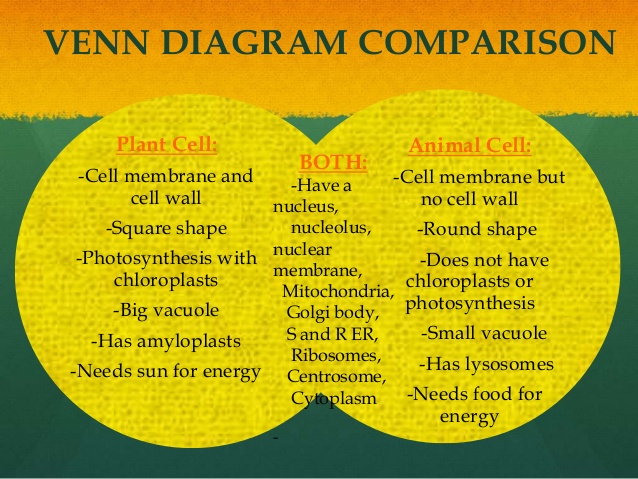
Both plant and animal cells have mitochondria to produce atp from the breakdown of these organic sugars such as glucose. First off they are both eukaryotic, which means they have a defined nucleus. Plants do not have skeletons, but their shape is defined by the part of the cell called the cell wall. Only plant cells have cell walls. .plant cell only both cell membrane:
BIO test 2 (Dentler) at University of Kansas - StudyBlue from classconnection.s3.amazonaws.com It is the outermost covering in animal cells some are present in both while some are found in only one group. Transports stuff into and out of cell; The cell wall contains not only cellulose and protein , but. Normally, a cell has more than one. Lysosomes occur in animal cells only and not in plant cells. Animal cells and plant cells are both eukaryotes. Animal cells usually have an irregular shape, and plant cells usually have a regular shape. They both have cell nucleus which contain chromosomes or dna, as well as cell.
Both plant and animal cells have unique characteristics and also many similarities.
Where cell work is done. Plant cells and animal cells possesses a lot in common with some unique differences amidst them. Both plant and animal cells are what we call eukaryotic cells. The cell membrane, cytoplasm, chromosomes, and mitochondria are the structures that are present in both the plant and the animal cells. Both plant and animal cells have a nuclear membrane. The cell wall is an extra covering that surrounds the cell membrane of a plant cell. .plant cell only both cell membrane: The cell wall contains not only cellulose and protein , but. In both plant and animal cells, dna is double stranded and complexed with histone proteins and proteins are synthesized by ribosome in the cytoplasm. Firstly, both animal and plant cells are eukaryotes which implies that they have cell nucleus containing chromosomes. Both in plants and animals the position of a functional stem cell niche needs to be maintained within a dynamic structure. Plants do not have skeletons, but their shape is defined by the part of the cell called the cell wall. Animal cells and plant cells are both eukaryotes.
Cells are made up of different parts. Both plant and animal cells have a nuclear membrane. Normally, a cell has more than one. Special structures in plant cells. The animal cell also has two centrioles which a plant cell doesn't have.
Plant vs Animal cells - CELLS from firstletmetakeacell-fie.weebly.com Both animal and plant cells have some similar structural elements. It is easier to describe these parts by using diagrams made of a tough substance called cellulose, which supports the cell. Normally, a cell has more than one. The chloroplast is located throughout the cytoplasm of the cells of plant leaves and other parts depending on the type of plant. Animal cells and plant cells are both eukaryotes. (iii) presence of cell wall. Plants cells do not have lysosomes and animal cells do have lysosomes. The only cell organelle seen in prokaryotic cell is.
Performs photosynthesis in plant cells x x golgi complex:
First off they are both eukaryotic, which means they have a defined nucleus. The animal cell also has two centrioles which a plant cell doesn't have. Differences in these two types of cells arise because of. Nucleus, golgi apparatus, endoplasmic reticulum, plasma membrane, cytoskeleton. The chloroplast is located throughout the cytoplasm of the cells of plant leaves and other parts depending on the type of plant. Found in plants and animal cells. Centrioles and centrosomes present in animal cells but absent in case of plants. This cell is located in both the animal and plant cell. Both have cell membranes surrounding the cell that controls the movement of substances in and out of the cell. The cell wall contains not only cellulose and protein , but. Most cells have only one nucleus. It has been estimated that humans contain somewhere around 40 trillion (4×10¹³) in meiosis, the dna is replicated only once, while the cell divides twice. Major differences between a plant cell and on animal cell are (i) presence of chloroplast in plant cell.
The cell wall is featured only in plant cells and is made of cellulose. Animal cells usually have an irregular shape, and plant cells usually have a regular shape. Firstly, both animal and plant cells are eukaryotes which implies that they have cell nucleus containing chromosomes. Both plant and animal cells have mitochondria to produce atp from the breakdown of these organic sugars such as glucose. Both plant and animal cells have unique characteristics and also many similarities.
Plant and Animal Cell Sort | Plant cell, Students and ... from s-media-cache-ak0.pinimg.com The rough er is rough only because it harbors. Both plant and animal cells are what we call eukaryotic cells. The plant and animal cells are eukaryotic and contain well developed cellular organelles. .plant cell only both cell membrane: It is easier to describe these parts by using diagrams made of a tough substance called cellulose, which supports the cell. The vacuole is like a lunchbox it holds food and water just like a vacuole does. Differences in these two types of cells arise because of. Nucleus, golgi apparatus, endoplasmic reticulum, plasma membrane, cytoskeleton.
Most cells have only one nucleus.
They are both small and both have a cell membrane. Animal cells and plant cells are both eukaryotes. The number of cells in plants and animals varies from species to species; Lysosomes help animals break down large molecules, old cell parts and they are both considered eukaryotic cells because they both contain a nucleus and membrane bound organelles. It is easier to describe these parts by using diagrams made of a tough substance called cellulose, which supports the cell. Most cells, both animal and plant, range in size between 1 and 100 micrometers and are thus visible only with the aid of a microscope. Both plant and animal cells have a nuclear membrane. Plant and animal cells only. Both cells are eukaryotic cells and therefore both have similar organelles. Both have cell membranes surrounding the cell that controls the movement of substances in and out of the cell. The male gametes of charophytes, bryophytes. Plant cells have a cell wall, chloroplasts, plasmodesmata, and plastids used for storage, and a large central vacuole, whereas animal cells do not. The rough er is rough only because it harbors.



Posting Komentar