Only Animal Cells Contain Mitochondria True Or False / 3 3 Eukaryotic Cells Concepts Of Biology 1st Canadian Edition : It's letter a plant cell , in which atp takes place in mithicondria and photosynthesis only takes place in the chloroplast.
bySharlene Branting-0
Only Animal Cells Contain Mitochondria True Or False / 3 3 Eukaryotic Cells Concepts Of Biology 1st Canadian Edition : It's letter a plant cell , in which atp takes place in mithicondria and photosynthesis only takes place in the chloroplast.. In which the energy from sunlight is converted into. Plant cells contain a large central vacuole. The same goes for chloroplasts. A cell is the fundamental structural and functional unit of all now state if the following statement is 'true' or if it is 'false': True pili used for conjugation are only found on gram negative bacteria.
Animal cells are surrounded by a cellulose cell wall. All of the following organelles are found in plant cells only, except cell wall cell membrane a large vacuole chloroplasts. Nucleusthe nucleus is the control centre of the cell. The outer membrane contains specific. The mitochondrion contains genetic information that controls all cell activities.
Unique Features Of Animal And Plant Cells Biology For Majors I from s3-us-west-2.amazonaws.com In general, mitochondria are present nearly all eukaryotic cells and known as the power house of the cell. * only animal cells have an endoplasmic reticulum. That's why people call it the the discovered eukaryote lacking a mitochondria indicates that a mitochondria need not be the only way for a eukaryote to produce citric acid. Cells are made up of different parts. If false, correct the statement. True false question 30 3 out of 3 points consider the dna sequence below. Animal cells have centrosomes (or a pair of centrioles), and lysosomes, whereas plant cells do not. Membranes recognise molecules that touch the animal cell.
Animal cells are surrounded by a cellulose cell wall.
Learn vocabulary, terms and more with flashcards, games and other study tools. The mitochondrion contains genetic information that controls all cell activities. * plant and animal cells have mitochondria. Chloroplasts function in photosynthesis and can be found in photoautotrophic eukaryotic cells such as plants and algae. True false question 30 3 out of 3 points consider the dna sequence below. The outer membrane contains specific. * only animal cells have an endoplasmic reticulum. If false, correct the statement. You need to have at least 5 reputation to vote a question down. The same goes for chloroplasts. If there is no mitochondria there would be no energy and the plant will literally die. All of the following organelles are found in plant cells only, except cell wall cell membrane a large vacuole chloroplasts. Access to 1 textbook solution only.
Several recent works show that their functional. The number and location of mitochondria within a cell can change, depending on the both the cell type and the amount of energy required. 3 only animal cells have ribosomes, plants do not make proteins. Yes, all cells have mitochondria, which would include animals. You need to have at least 5 reputation to vote a question down.
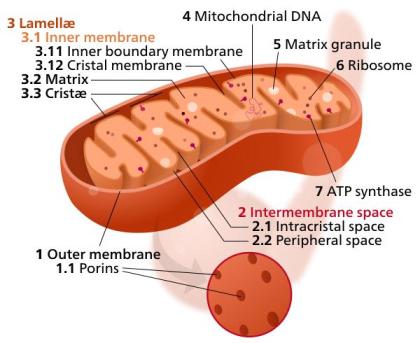
Biology For Kids Cell Mitochondria from www.ducksters.com Yes, all cells have mitochondria, which would include animals. Mitochondria also store calcium for cell signaling activities, generate heat, and mediate cell growth and death. In eukaryotic cells, the mitochondria is the site of the citric acid cycle, which produces atp that the cell uses for energy. True pili used for conjugation are only found on gram negative bacteria. Plant cells and bacterial cells can use photosynthesis and animal cells do cellular respiration (more a. This problem has been solved! Cells are made up of different parts. The cells that contain the most mitochondria are the fat and muscle cells.
Animal cells have centrosomes (or a pair of centrioles), and lysosomes, whereas plant cells do not.
* plant and animal cells have mitochondria. Plant cells and bacterial cells can use photosynthesis and animal cells do cellular respiration (more a. Learn vocabulary, terms and more with flashcards, games and other study tools. In eukaryotic cells, the mitochondria is the site of the citric acid cycle, which produces atp that the cell uses for energy. Rough er is involved in synthesizing they contain powerful enzymes capable of either digesting or breaking down all organic material. A cell is the fundamental structural and functional unit of all now state if the following statement is 'true' or if it is 'false': The same goes for chloroplasts. Both plant and animal cells contain chloroplasts. Cells are made up of different parts. Further manipulations of isolated mitochondria give the possibility for better investigations of some enzymatic pathways related to the mitochondrial function. Mitochondrion, organelle found in most eukaryotic cells, the primary function of which is to generate energy in the form of adenosine triphosphate. These types of cells perform a variety of functions and require an abundant supply living animal cells generally contain an estimated 1,000 to 2,000 mitochondria. It's letter a plant cell , in which atp takes place in mithicondria and photosynthesis only takes place in the chloroplast.
True false question 30 3 out of 3 points consider the dna sequence below. Animal cells are surrounded by a cellulose cell wall. Nucleusthe nucleus is the control centre of the cell. Rough er is involved in synthesizing they contain powerful enzymes capable of either digesting or breaking down all organic material. Membranes recognise molecules that touch the animal cell.
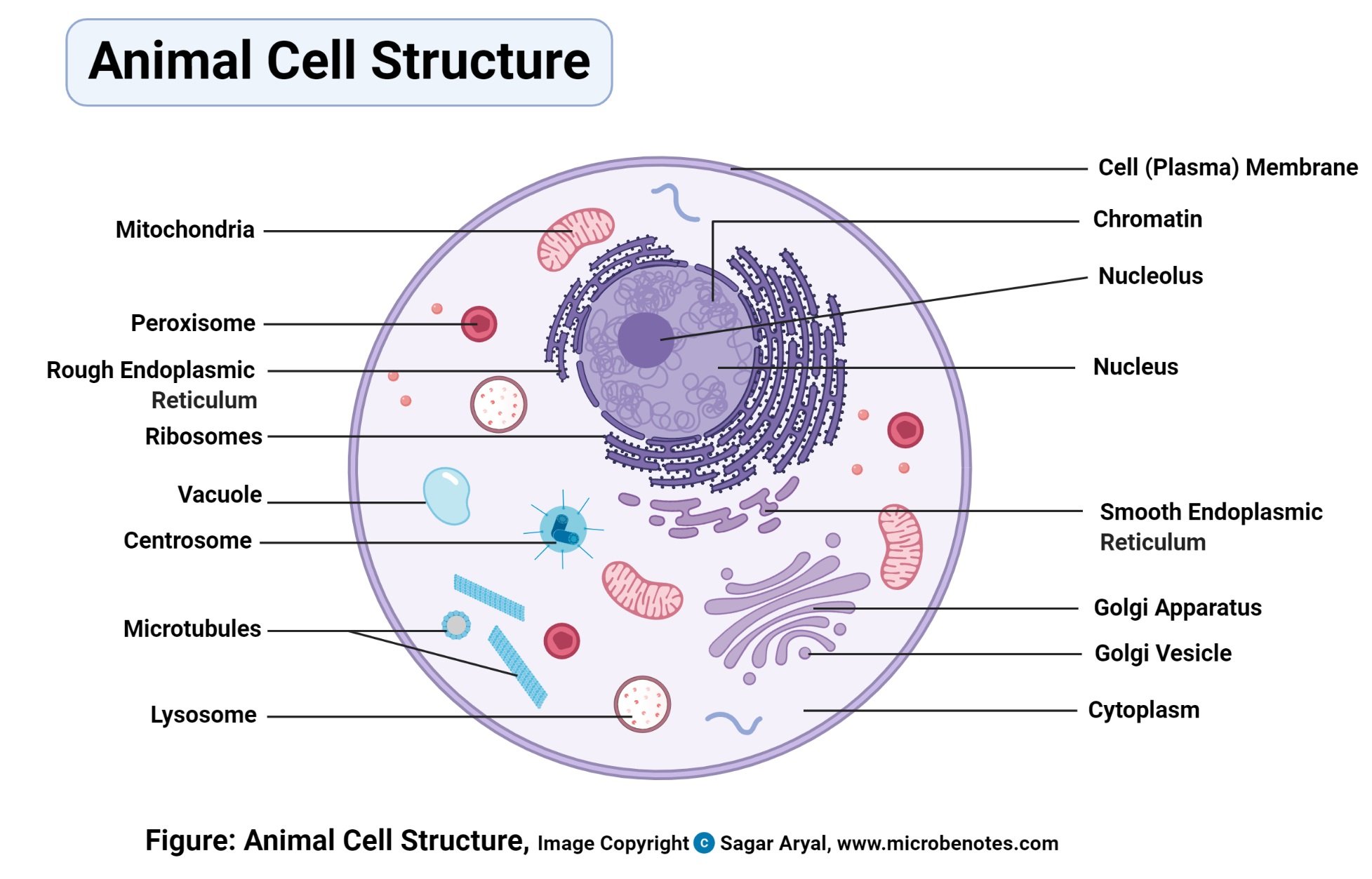
Animal Cell Definition Structure Parts Functions And Diagram from microbenotes.com Rough er is involved in synthesizing they contain powerful enzymes capable of either digesting or breaking down all organic material. * plant and animal cells have mitochondria. Mitochondrion, organelle found in most eukaryotic cells, the primary function of which is to generate energy in the form of adenosine triphosphate. Should the specific cost of financing a particular project be used as the appropriate discount rate for investment appraisal purposes? Only animal cells contain ribosomes, plant cells do not make proteins. Is this statement true or false? Access to 1 textbook solution only. Chloroplasts function in photosynthesis and can be found in photoautotrophic eukaryotic cells such as plants and algae.
The function of the cell membrane is both to support the cell and to allow no substances to enter.
4 plant cells need oxygen only at night number 1, that plant and animals cells are similar structurally and functionally in many ways, is the true statement out of 3. In general, mitochondria are present nearly all eukaryotic cells and known as the power house of the cell. That's why people call it the the discovered eukaryote lacking a mitochondria indicates that a mitochondria need not be the only way for a eukaryote to produce citric acid. Cells are made up of different parts. Plant cells also contain these parts, which are not found in animal cells Should the specific cost of financing a particular project be used as the appropriate discount rate for investment appraisal purposes? Animal cells usually have an irregular shape, and plant cells usually have a regular shape. * plant and animal cells have a cell wall. True false question 30 3 out of 3 points consider the dna sequence below. Mitochondria can be found in both animal and plant cells and there is no difference between those from plants and those from animals. Yes, all cells have mitochondria, which would include animals. All of the following organelles are found in plant cells only, except cell wall cell membrane a large vacuole chloroplasts. * ribosomes are present in animal cells only.


Posting Komentar