How Do Animal Cells Maintain Their Shape - Notes over the Cell / A plant cell contains a large, singular vacuole that is used for storage of water and nutrients.
bySharlene Branting-0
How Do Animal Cells Maintain Their Shape - Notes over the Cell / A plant cell contains a large, singular vacuole that is used for storage of water and nutrients.. Homeostasis at the cellular level is critical to maintaining homeostasis in the whole organism.animal cells have several ways to help them stay in equilibrium. These cells differ in their shapes, sizes and their structure as they have to fulfil specific functions. Another cut & paste from a homework assignment? > what intracellular structure helps animal cells to maintain their shape? The insulation used to conserve the body heat comes in the forms of fur, fat, or feathers.
Although tiny themselves, cells are not the tiniest particles on earth! For instance, lymphocytes may need to move through body tissue to get to the site of infection, so they change their shape to squeeze past tightly packed tissue cells. Another cut & paste from a homework assignment? The cytoplasm contains a kind of biological scaffolding material, known as cytoskeleton, which is composed of proteins and which helps cells to maintain their shape.; In plant cells, the cell wall gives the cell a rigid, rectangular shape.
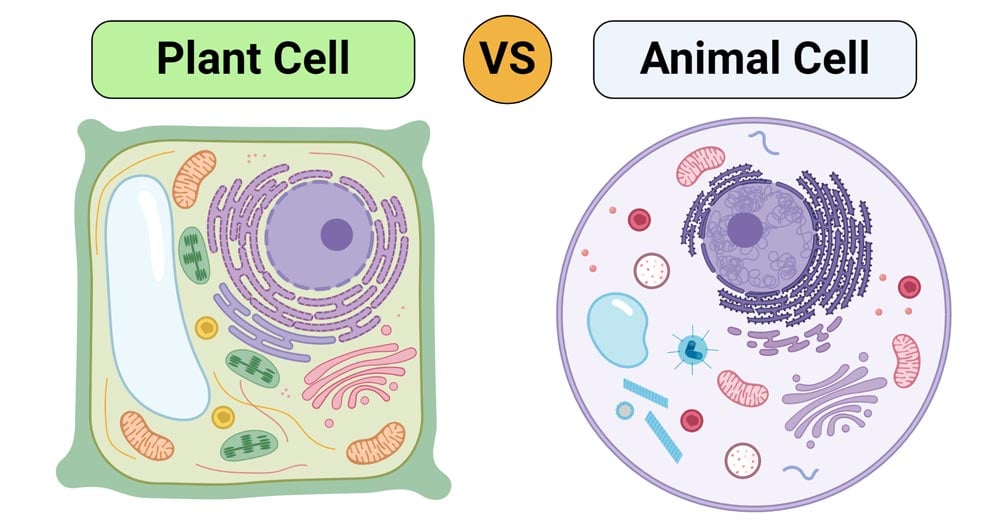
Denoyer-Geppert Plant Cell Chart | Lance Science ... from s-media-cache-ak0.pinimg.com Without the ability to move, cells could not grow and divide or migrate to areas where they are needed. Animal cells are generally smaller than plant cells. An animal cell retains its shape by its cyto skeleton, while a plant cell has a more rigid outside witch keeps it retained. Each cell organelle has a particular function to perform. A plant cell contains a large, singular vacuole that is used for storage of water and nutrients. This network of fibers is spread throughout the cell's cytoplasm and holds organelles in their proper place. As a result of cell adaptation, the function of the cell influences its shape and internal structure. Some of the cell organelles are present in both plant cell and the animal cell, while others are unique to just one.
Its primary role is to maintain pressure against the inside of the cell wall, giving the cell shape and helping to support the plant.
The shape of animal cells is determined by their cytoskeleton and, in many cases, by compression between neighboring cells, giving epithelial and skeletal muscle cells somewhat angular profiles in cross section. The cytoplasm contains a kind of biological scaffolding material, known as cytoskeleton, which is composed of proteins and which helps cells to maintain their shape.; Conversely, a cell is able to completely change its shape or have no shape at all by. Homeostasis at the cellular level is critical to maintaining homeostasis in the whole organism.animal cells have several ways to help them stay in equilibrium. Like rubber bands, they resist tension. To do their job, they need to be able to change shape. The cell membrane functions as a boundary separating the internal cellular environment from the external environment. Both plant and animal cells have a cell membrane, but only the former has a cell wall. In plant cells, the cell wall gives the cell a rigid, rectangular shape. Especially important are microtubules, dynamic filaments that constantly grow. Each cell organelle has a particular function to perform. The cell wall is located outside the cell membrane. This might not be entirely correct, but i hope it helps
Which, in combination with the vacuole (as described below), helps the plant cell maintain its shape and rigidity. Each is adapted to a perform specific functions, such as carrying oxygen, contracting muscles, secreting mucus, or protecting organs. > what intracellular structure helps animal cells to maintain their shape? Like rubber bands, they resist tension. Without the ability to move, cells could not grow and divide or migrate to areas where they are needed.
Plant cell vs Animal cell- Definition, 25 Differences with ... from microbenotes.com The cell membrane functions as a boundary separating the internal cellular environment from the external environment. Plants have very rigid cells. A cell that is too large will not be able to move materials into and out of the cell. The cell wall shapes, supports, and protects the cell. Although tiny themselves, cells are not the tiniest particles on earth! Another cut & paste from a homework assignment? These cells differ in their shapes, sizes and their structure as they have to fulfil specific functions. The shape of animal cells is determined by their cytoskeleton and, in many cases, by compression between neighboring cells, giving epithelial and skeletal muscle cells somewhat angular profiles in cross section.
The insulation used to conserve the body heat comes in the forms of fur, fat, or feathers.
The cell wall shapes, supports, and protects the cell. Some immune cells (such as neutrophils) engulf bacteria and viruses, so they need to change their shape to 'swallow' them. In plant cells, the cell wall gives the cell a rigid, rectangular shape. Plant cells have to perform two functions that are not required of animal cells: Plants have very rigid cells. Each is adapted to a perform specific functions, such as carrying oxygen, contracting muscles, secreting mucus, or protecting organs. Animal cells do not have a cell wall. The cytoskeleton is the component of the cell that makes cell movement possible. Some of the cell organelles are present in both plant cell and the animal cell, while others are unique to just one. The absence of insulation in ectothermic animals increases their dependence on the environment for body heat. This might not be entirely correct, but i hope it helps As a result of cell adaptation, the function of the cell influences its shape and internal structure. > the cytoskeleton is a complex, dynamic.
Each cell organelle has a particular function to perform. Each is adapted to a perform specific functions, such as carrying oxygen, contracting muscles, secreting mucus, or protecting organs. Although tiny themselves, cells are not the tiniest particles on earth! Used in photosynthesis to convert sunlight, carbon dioxide, and water into food. Conversely, a cell is able to completely change its shape or have no shape at all by.
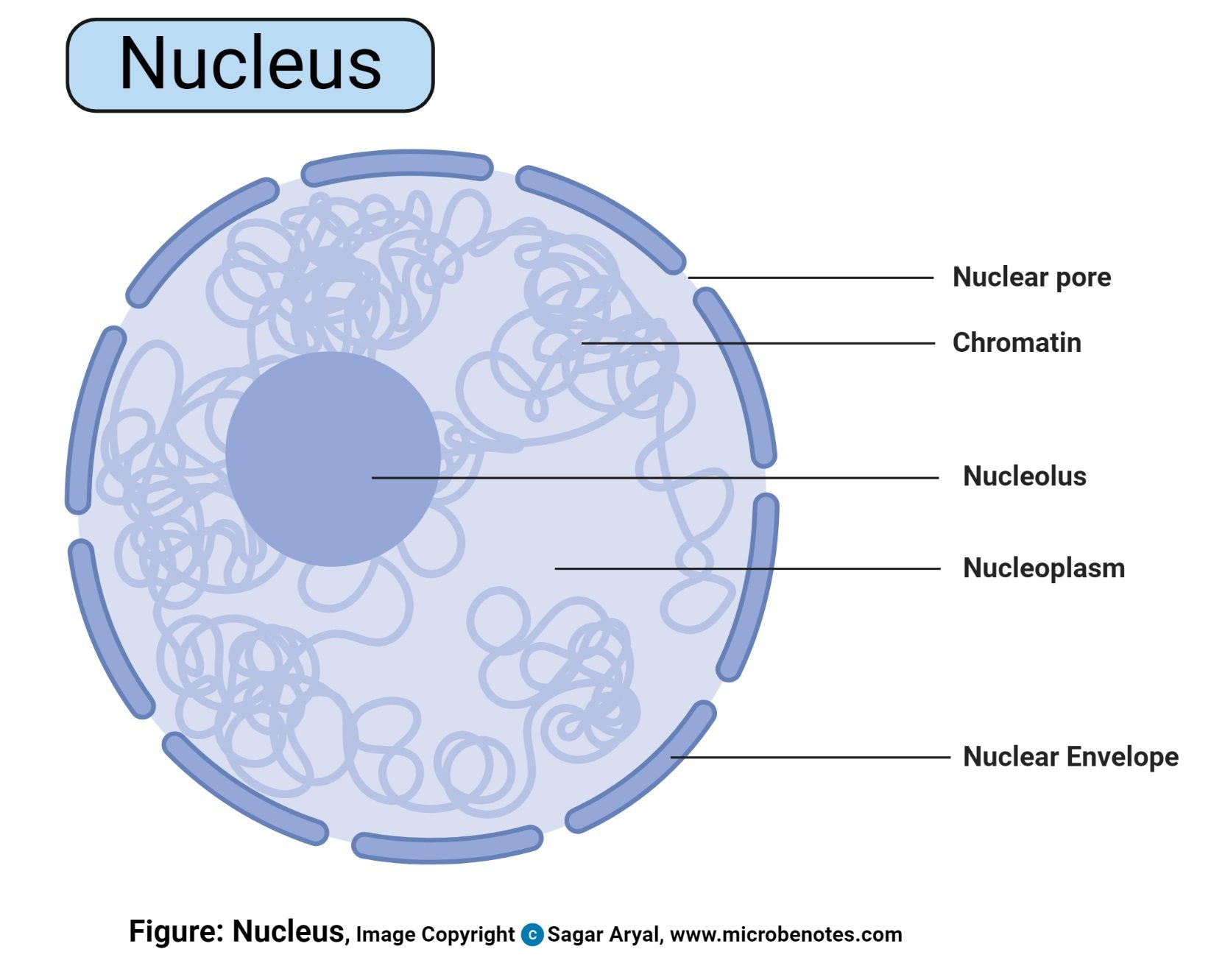
Animal Cell- Definition, Structure, Parts, Functions and ... from microbenotes.com Cytoskeleton fibers also move cells from one. The insulation used to conserve the body heat comes in the forms of fur, fat, or feathers. Produce their own food (which they do in a. This is because plant cells have a thick cell wall that protects and strengthens the outside of the cell. Like rubber bands, they resist tension. In contrast, animal cells have many, smaller vacuoles, which also are used for storage of water and nutrients. Microfilaments thicken the cortex around the cell's inner edge. To do their job, they need to be able to change shape.
The blob state one way that cells maintain a solid shape is by making cytoskeletal filaments discussed above.
Microfilaments thicken the cortex around the cell's inner edge. Although tiny themselves, cells are not the tiniest particles on earth! Without the ability to move, cells could not grow and divide or migrate to areas where they are needed. The cell membrane functions as a boundary separating the internal cellular environment from the external environment. Both plant and animal cells have a cell membrane, but only the former has a cell wall. Cell membrane and phospholipid bilayer. As a result of cell adaptation, the function of the cell influences its shape and internal structure. Used in photosynthesis to convert sunlight, carbon dioxide, and water into food. Plant cells and animal cells share some common features as both are eukaryotic cells. This ability is critical in embryonic development, when tissues undergo dramatic folding, furrowing and bending transformations as organs are generated. > the cytoskeleton is a complex, dynamic. It is selectively permeable which means it lets some materials pass through. A plant cell consists of one large vacuole that maintains the shape of the cell and stores nutrients.


Posting Komentar