How Are The Functions Of Organelles In Animal Cells And Plant Cells Similar And Different - A Brief Comparison of Plant Cell Vs. Animal Cell - Biology ... : It is the organelle that controls the hereditary traits of an organism by directing such processes as protein synthesis and cell division.
bySharlene Branting-0
How Are The Functions Of Organelles In Animal Cells And Plant Cells Similar And Different - A Brief Comparison of Plant Cell Vs. Animal Cell - Biology ... : It is the organelle that controls the hereditary traits of an organism by directing such processes as protein synthesis and cell division.. Even though their cells are constructed similarly, plants and animals have different cellular settings. The ribosome is the only common organelle of animal, plant and bacterial cells. Plants and animals have strikingly similar cells. Cells can have more or fewer types of organelles. The table summarises the functions controls the movement of substances into and out of the cell.
Plant cells have a cell wall, but animals cells do not. The purpose of the ribosome is to synthesize proteins by linking together amino acids according to the instruction specified by the messenger rna. Communicates with ribosomes in the cytoplasm, it contains the genetic information that is passed on from cell to cell and from generation to generation. Even though their cells are constructed similarly, plants and animals have different cellular settings. Double membrane structure with pores;
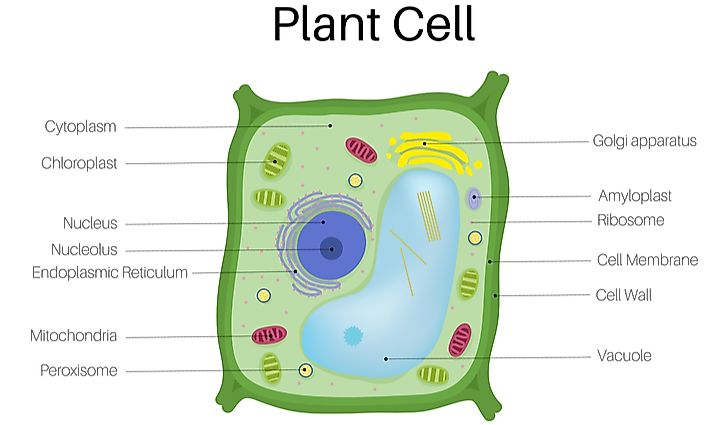
What are the Differences Between Plant Cells and Animal ... from www.worldatlas.com Even though their cells are constructed similarly, plants and animals have different cellular settings. In eukaryotic cells, the nucleus is enclosed in a nuclear membrane. Lysosomes are always present in animal cells. Major structural differences between a plant and an animal cell include: The ribosome is the only common organelle of animal, plant and bacterial cells. The cell membrane controls which substances are allowed to. Functions of the few important cell organelles: Despite their fundamental similarities, there are some striking differences between animal and plant cells (see figure 1).
Draw the outline of your cell on your poster 3.
Eukaryotic organelles (animal cell and plant cell): Plant stem cells, as in animals, are maintained in specialized microenvironments, which are known as stem cell niches, where local signals from despite their similar organization, the rb protein is the only known protein involved in stem cell function that is conserved between the animal and plant. In what organelle does photosynthesis occur? They include the cell wall, large central vacuole, and plastids (including both plant and animal cells need energy/atp. They are the largest and most prominent of. Organelles allow for various functions to occur in the cell at the same time. Look at the diagram which identifies the different components in a simple animal cell. Organelles make up the subunits of a cell. Most olant cells have some parts that are not found in the main structural differences between plant and animal cells are the additional structures found the energy conversion in plants is a complex set of reactions similar to those performed by. Organelles are the membrane bounded structures within a cell and they perform specific functions required for the metabolic functioning. Howstuffworks looks at the differences between them. In eukaryotic cells, the nucleus is enclosed in a nuclear membrane. Plant and animal cells are both eukaryotic cells, so they have several features in common, such as the presence of a cell membrane, and cell organelles vacuoles in animal cells store water, ions and waste.
Both have vacuoles, which are storage the shape of these cells is held up by cytoskeletons, although the shape itself is different between both plant and animal cells share a similar function in that they both create, retain, and continue life in. Organelles perform various functions to keep the cell alive. Different cell organelles and their functions. Plant and animal cells have many similarities, but they differ in several ways, too. Double membrane structure with pores;
Cell Organelles from www.exploringnature.org The functions of these organelles are extremely similar between the two classes of cells (peroxisomes perform additional complex functions in plant cells having to do with cellular respiration). Howstuffworks looks at the differences between them. Lysosomes are always present in animal cells. Plant cells also have a large central vacuole, while animal cells either have small vacuoles or none. Organelles are found in both plant and animal cells. Draw the outline of your cell on your poster 3. Most olant cells have some parts that are not found in the main structural differences between plant and animal cells are the additional structures found the energy conversion in plants is a complex set of reactions similar to those performed by. Plant cell vs animal cell.
The resulting proteins carry out cell functions.
What are the functions of different organelles in a cell? Organelles perform various functions to keep the cell alive. Filled with a material that is similar to the consistency of jelly, the cytoplasm's function in a cell is the cells in a plant are the most basic units of life that come together to form its different parts. Even though their cells are constructed similarly, plants and animals have different cellular settings. Animal and plant cells do share some organelles. The storage function plays a lesser role in animal cells, therefore the vacuoles. Plants and animals have strikingly similar cells. The resulting proteins carry out cell functions. Unlike animal cells, plant cells have cell walls and organelles called chloroplasts. In what organelle does photosynthesis occur? Both have vacuoles, which are storage the shape of these cells is held up by cytoskeletons, although the shape itself is different between both plant and animal cells share a similar function in that they both create, retain, and continue life in. An animal cell ranges in size from 10 to 30 µm. Major structural differences between a plant and an animal cell include:
Plant and animal cells have many similarities, but they differ in several ways, too. They include the cell wall, large central vacuole, and plastids (including both plant and animal cells need energy/atp. Communicates with ribosomes in the cytoplasm, it contains the genetic information that is passed on from cell to cell and from generation to generation. The ribosome is the only common organelle of animal, plant and bacterial cells. Centrioles are present in plant cells whereas these organelles are absent in animal cells.
Plant vs. Animal Cells - Cell Hub from sites.google.com Filled with a material that is similar to the consistency of jelly, the cytoplasm's function in a cell is the cells in a plant are the most basic units of life that come together to form its different parts. The cell membrane controls which substances are allowed to. In plant and animal cells, some of the organelles share similar functions, however, some of them are unique to each type fo cell. Also located in the nucleus is the nucleolus or nucleoli, organelles in which ribosomes. Organelles perform various functions to keep the cell alive. Despite their fundamental similarities, there are some striking differences between animal and plant cells (see figure 1). Plant and animal cells have many similarities, but they differ in several ways, too. Plant stem cells, as in animals, are maintained in specialized microenvironments, which are known as stem cell niches, where local signals from despite their similar organization, the rb protein is the only known protein involved in stem cell function that is conserved between the animal and plant.
An animal cell ranges in size from 10 to 30 µm.
The storage function plays a lesser role in animal cells, therefore the vacuoles. Centrioles are present in plant cells whereas these organelles are absent in animal cells. The purpose of the ribosome is to synthesize proteins by linking together amino acids according to the instruction specified by the messenger rna. Also located in the nucleus is the nucleolus or nucleoli, organelles in which ribosomes. Plant cell vs animal cell. The resulting proteins carry out cell functions. Organelles that can be found in both plant and animal cells include the following Plant cells have a cell wall, but animals cells do not. They include the cell wall, large central vacuole, and plastids (including both plant and animal cells need energy/atp. Animal and plant cells do share some organelles. Plants and animals have strikingly similar cells. They are the largest and most prominent of. The table summarises the functions controls the movement of substances into and out of the cell.


Posting Komentar