Animal Cell Plant Cell Bacteria / Plant Cell Yeast Cell Animal Cell Cell Wall Bacterial Cell No Nucleus Ppt Download / One fundamental difference is that bacterial cells lack intracellular organelles, such as mitochondria, chloroplasts, and a nucleus, which are present in both animal cells and plant cells.
bySharlene Branting-0
Animal Cell Plant Cell Bacteria / Plant Cell Yeast Cell Animal Cell Cell Wall Bacterial Cell No Nucleus Ppt Download / One fundamental difference is that bacterial cells lack intracellular organelles, such as mitochondria, chloroplasts, and a nucleus, which are present in both animal cells and plant cells.. Animal and plant cells did both evolve from a common ancestor. They don't have organelles such as nuclei, mitochondria or chloroplasts. The red blood cells make up the blood, while the nerve cells make up the nervous system tissues. Many plant cells are green. Bacteria and plants also have the cell membrane.
Introduction to plant, animal and bacteria cell structure & function. Animals cells have a vacuole, nucleus, mitochondria, cytoplasm, & a cell membrane. One of the key structures of a bacteria cell you need to know about is the plasmid. Many plant cells are green. Bacteria and plants also have the cell membrane.
Structure Plant Cell Animal Bacteria Cells Prokaryotes Eukaryotes Similarities Differences Function Of Nucleus Cytoplasm Cell Membrane Mitochondria Ribosomes Cell Wall Vacuole Chloroplasts Subcellular Structures Igcse O Level Gcse Biology Revision from docbrown.info The plant cells apart from having cell organelles like the nucleus, endoplasmic reticulum and mitochondria have cell wall and chloroplast, which are absent in the animal cell. Cell wall • the cell wall provides extra support for the cell and gives it a shape. Continuous organ production that is characteristic of plant growth requires a robust regulatory network to maintain this balance. A cell wall , a large central vacuole , and plastids such as chloroplasts. All animals and plants are made of cells. State three differences between the sizes of plant cells, animal cells and bacterial cells. The cell wall gives a more uniform and define shape for the plant cell. Cell membrane and cell wall is also what the bacteria has.
Vacuoles are tiny lipid enclosed structures which contain water usually and will be seen in plants and certain bacteria in common.
• cell walls are found in eukaryotic plant and prokaryotic cells • cell walls are they are found in both animal and plant cells but are much larger in plant cells. One fundamental difference is that bacterial cells lack intracellular organelles, such as mitochondria, chloroplasts, and a nucleus, which are present in both animal cells and plant cells. Bacteria cells are very different from animal, plant or fungal cells. There can be a secondary cell wall that would be located just to the. Unlike the eukaryotic cells of plants and fungi, animal cells do not have a cell wall. The red blood cells make up the blood, while the nerve cells make up the nervous system tissues. A plant cell is a eukaryotic cell that has a fixed the rectangular shape. This means they do not have a nucleus or any other structures which are surrounded by membranes. Animal cells are mostly round and irregular in shape while plant all animal cells have centrioles whereas only some lower plant forms have centrioles in their cells (e.g. Pasmodesmata, is a linking pore in the cell wall that allow each plant cell to communicate with other adjacent cells. All animals and plants are made of cells. Plant, animal and bacterial cells have smaller components each with a specific function. It is also the plasma membrane that protects the cells from plant cells have a cell wall made of cellulose and membrane.
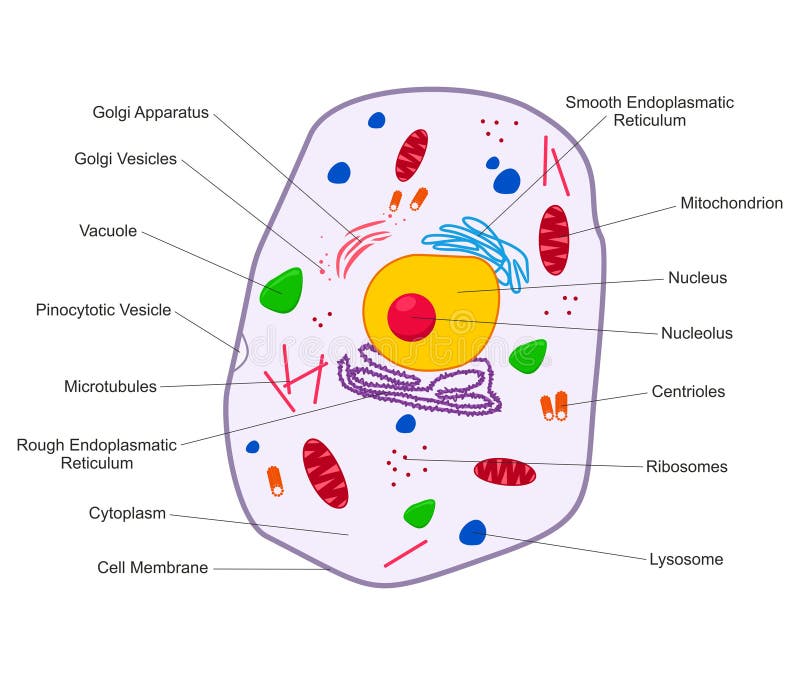
A plant cell is a eukaryotic cell that has a fixed the rectangular shape. Under the microscope, an animal cell shows many different parts called organelles, that work together to keep the cell functional. Unlike animal cell, plant cells have rigid cell wall made up of cellulose. Bacteria and plants also have the cell membrane. Cell membrane and cell wall is also what the bacteria has.
Difference Between Bacteria Animal And Plant Cells Stock Illustration Illustration Of Biology Functions 191581951 from thumbs.dreamstime.com Continuous organ production that is characteristic of plant growth requires a robust regulatory network to maintain this balance. The cell is the outermost boundary in plants, and it. Cellulose is a complex substance and provides the presence of the cell wall enables the cells of plants, fungi and bacteria to exist in hypotonic media. The red blood cells make up the blood, while the nerve cells make up the nervous system tissues. Animal and plant cells did both evolve from a common ancestor. This video goes through how to label the main structures in an animal, plant and bacteria cell. Plant cells are square, animal cells are oval but much less well defined so they almost have an undefined shape. There can be a secondary cell wall that would be located just to the.
The rigid exterior around the cells is necessary to allow the plants to grow however, plant cells also have features that animal cells do not have:
• cell walls are found in eukaryotic plant and prokaryotic cells • cell walls are they are found in both animal and plant cells but are much larger in plant cells. Plants and animals are made up of millions of cells and these cells have several similarities and they also undergo cellular respiration, which performs processes of energy production used to grow the cell and maintain its normal functions. Animal cells are mostly round and irregular in shape while plant all animal cells have centrioles whereas only some lower plant forms have centrioles in their cells (e.g. One fundamental difference is that bacterial cells lack intracellular organelles, such as mitochondria, chloroplasts, and a nucleus, which are present in both animal cells and plant cells. All animals and plants are made of cells. Introduction to plant, animal and bacteria cell structure & function. There can be a secondary cell wall that would be located just to the. An animal cell is the smallest unit that makes up the varied tissues of animal species. Animal cells are surrounded by cell membrane or plasma membrane. This video goes through how to label the main structures in an animal, plant and bacteria cell. Plant cell and animal cell differences (plant cell vs animal cell). One of the key structures of a bacteria cell you need to know about is the plasmid. Vacuoles are tiny lipid enclosed structures which contain water usually and will be seen in plants and certain bacteria in common.
Animal cells do not have a cell wall. Animal and plant cells did both evolve from a common ancestor. Continuous organ production that is characteristic of plant growth requires a robust regulatory network to maintain this balance. Unlike the eukaryotic cells of plants and fungi, animal cells do not have a cell wall. This video goes through how to label the main structures in an animal, plant and bacteria cell.
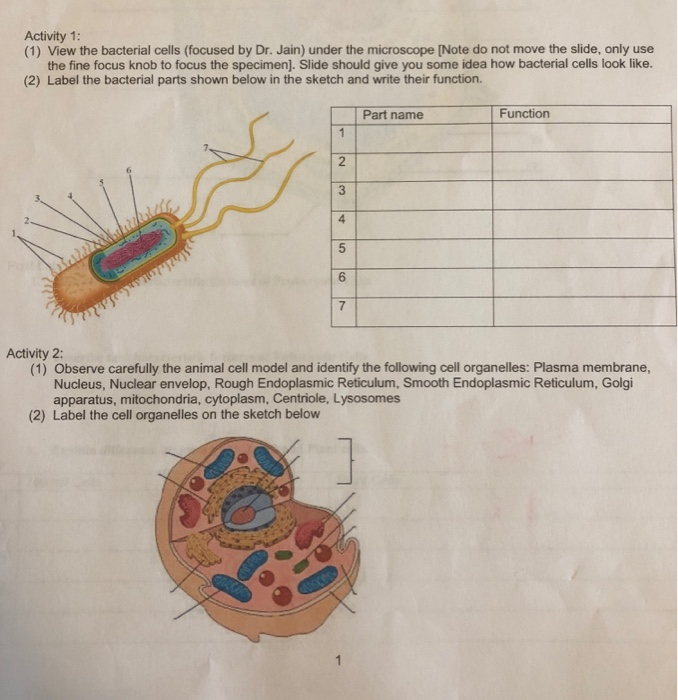
Label The Following For The Bacterial Cells Animal Chegg Com from media.cheggcdn.com The male gametes of charophytes, bryophytes. • cell walls are found in eukaryotic plant and prokaryotic cells • cell walls are they are found in both animal and plant cells but are much larger in plant cells. However, they have a plasma membrane, which is responsible for performing various functions. Vacuoles store food, nutrients, and waste products so. A plant cell is a eukaryotic cell that has a fixed the rectangular shape. It also talks through the function of these parts and the. Cell wall • the cell wall provides extra support for the cell and gives it a shape. This means they do not have a nucleus or any other structures which are surrounded by membranes.
This video goes through how to label the main structures in an animal, plant and bacteria cell.
Bacterial cells differ from animal cells and plant cells in several ways. Bacteria have dna and rna floating freely in the cytoplasm. Animal and plant cells did both evolve from a common ancestor. Plant cells are square, animal cells are oval but much less well defined so they almost have an undefined shape. Read this tutorial to learn plant cell between the primary cell walls of adjacent plant cells, lies a pectic middle lamella. This video goes through how to label the main structures in an animal, plant and bacteria cell. Animal cells are surrounded by cell membrane or plasma membrane. Bacteria and plants also have the cell membrane. The cell is the outermost boundary in plants, and it. All animals and plants are made of cells. Animal cells have slight differences to the eukaryotic cells of plants and fungi. A cell wall , a large central vacuole , and plastids such as chloroplasts. The red blood cells make up the blood, while the nerve cells make up the nervous system tissues.


Posting Komentar